Why Most People Buy the Wrong Insurance Policy (And How to Avoid It)
Table of Contents
- Why Most People Think Insurance Is a Waste of Money
- The Biggest Mistake Buyers Make
- Cheap Insurance vs. Smart Insurance
- Why Reading the Policy Matters
- Common Insurance Mistakes Businesses Make
- A Real Story That Shows the Value of Insurance
- How AI Is Transforming Insurance
- Key Takeaways
- Frequently Asked Questions
Most People Don't Realize They've Bought the Wrong Insurance Until It's Too Late
Imagine paying for something every month and believing you're protected.
Then one day, when you finally need it, you're told your claim isn't covered.
Unfortunately, this happens far more often than people think.
Many individuals and businesses buy insurance with one goal in mind: getting the cheapest price. They rarely compare policy benefits, understand exclusions, or ask whether the coverage actually matches their needs.
That mistake can cost thousands—or even millions of dirhams—when an unexpected event occurs.
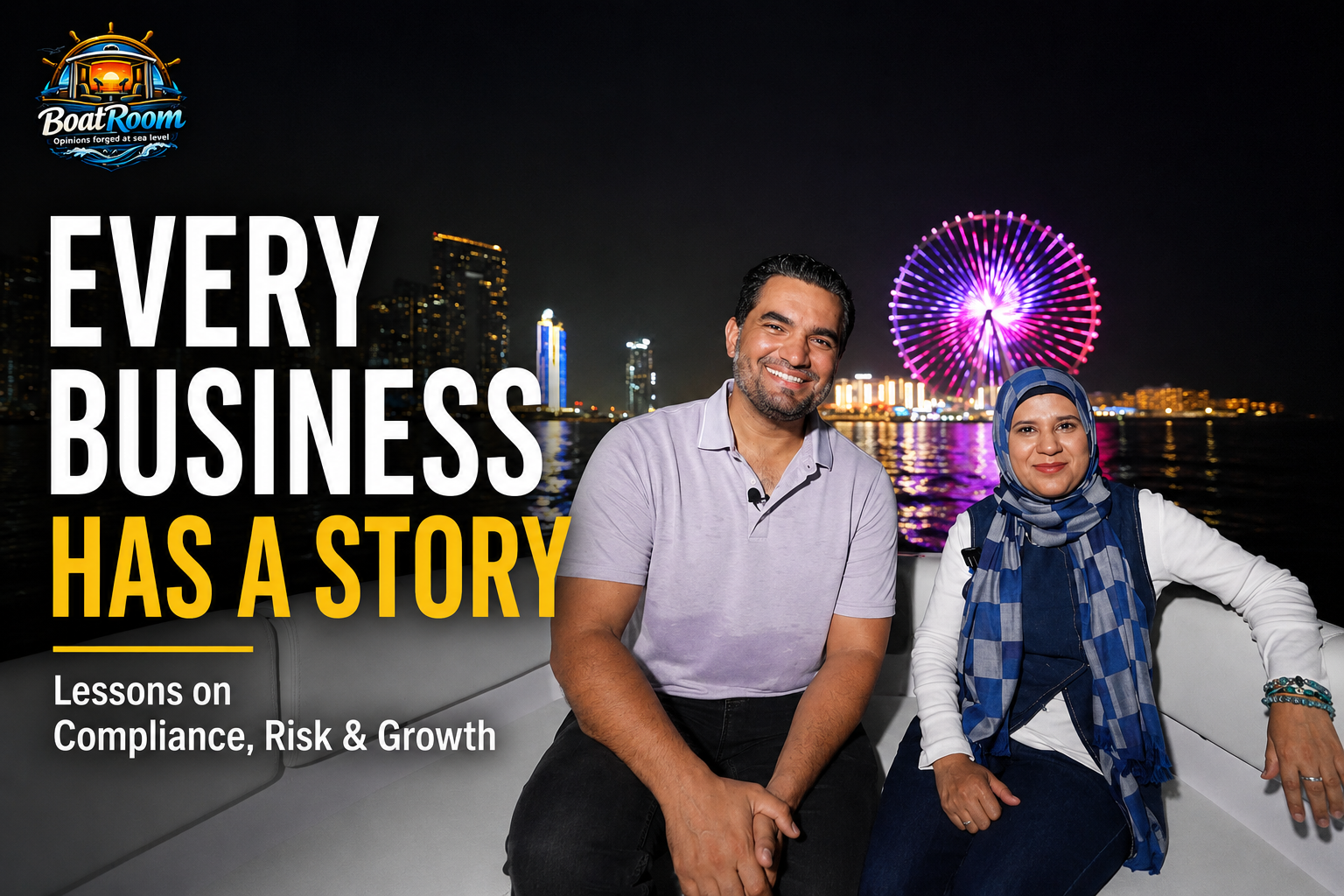
In a recent episode of the Boatroom Podcast, host Muhammad Kalim sat down with Sonia Depatenden, a financial services and insurance professional with nearly three decades of experience in the UAE. Their conversation explored why so many people misunderstand insurance, how businesses can better protect themselves, and why education—not fear—is the key to making smarter insurance decisions.
Whether you're a business owner, an employee, or someone planning for your family's future, the lessons from this conversation can help you avoid costly mistakes.
Insurance Is Not an Investment—It's Financial Protection
One of the strongest insights from the podcast was surprisingly simple:
"You pay a premium in the hope that you never use it."
That single sentence explains why insurance is often misunderstood.
When you buy a phone, a laptop, or even a car, you immediately enjoy the value of your purchase.
Insurance works differently.
Its value becomes visible only when life doesn't go according to plan.
A medical emergency.
A fire.
A flood.
A serious accident.
A lawsuit.
A cyberattack.
Insurance exists to protect you from financial losses that could otherwise take years to recover from.
Instead of asking, "Will I ever use this?" ask yourself, "Can I afford the financial consequences if I don't have it?"
That simple shift in mindset changes how you view insurance altogether.
The Biggest Mistake People Make When Buying Insurance
Price.
That's where most buying decisions begin—and unfortunately, where they often end.
Many customers approach an insurance provider with a fixed budget and ask for the cheapest policy available.
On the surface, it seems like a smart financial decision.
But the cheapest policy isn't always the best policy.
A lower premium may also mean:
- Lower claim limits
- More exclusions
- Restricted hospital networks
- Higher deductibles
- Limited coverage
- Longer waiting periods
Everything looks fine until you need to make a claim.
That's when many people discover the policy they purchased doesn't cover the situation they're facing.
The problem wasn't the insurance company.
The problem was buying a policy based only on cost instead of protection.
Cheap Insurance vs. The Right Insurance
One of the most valuable lessons from Sonia's experience is that insurance should never be treated like shopping for the cheapest product on a shelf.
Instead, think of it as buying protection that matches your life.
Cheap Insurance
- Lowest premium
- Many exclusions
- Limited benefits
- Bought only to save money
- May not cover your actual risks
Right Insurance
- Right level of protection
- Coverage based on your needs
- Comprehensive benefits
- Long-term financial security
- Better claim support
The goal isn't to spend the most money.
The goal is to buy the policy that protects what matters most.
That could be your health.
Your family.
Your home.
Or your business.
Every Person Needs Different Insurance
Insurance is never one-size-fits-all.
Someone starting their career has very different needs from someone running a business or supporting a family.
For example:
- A young professional may prioritise health insurance and income protection.
- Parents may focus on life insurance to ensure their family remains financially secure.
- Business owners often require property insurance, liability insurance, cyber insurance, and employee benefits.
This is why professional advice is so valuable.
Rather than asking, "What's your cheapest policy?" ask, "Which policy protects me from my biggest financial risks?"
The answer will almost always be different for every individual.
Why Insurance Education Matters More Than Ever
During the podcast, Sonia repeatedly returned to one important message:
"Education is key."
Many people don't fully understand what they are buying.
They rarely read policy documents.
They overlook exclusions.
They don't ask questions.
Then, when they submit a claim, they feel disappointed because the outcome doesn't match their expectations.
Good insurance professionals don't simply sell policies.
They educate customers.
They explain:
- What is covered
- What isn't covered
- Waiting periods
- Claim procedures
- Coverage limits
- Policy exclusions
The more informed a customer is, the less likely they are to face unpleasant surprises later.
The Three Biggest Insurance Mistakes Businesses Make
Insurance isn't just important for individuals—it's equally critical for businesses. Yet many companies make the same mistakes repeatedly.
According to Sonia, these mistakes can leave a business financially exposed when disaster strikes.
1. Not Buying Insurance at All
Some business owners believe nothing bad will happen to them.
They assume a fire, flood, cyberattack, or legal claim is unlikely.
Unfortunately, risks don't come with a warning.
One unexpected incident can disrupt operations, damage assets, and lead to significant financial losses. Insurance is designed to help businesses recover when the unexpected happens.
2. Buying Insurance Only to Tick a Box
Some companies purchase insurance simply because it's required by a landlord, client, or regulator.
Instead of evaluating whether the policy meets their actual needs, they choose the minimum level of cover.
While this may satisfy a requirement on paper, it often fails to provide adequate protection when a real claim arises.
Insurance should protect your business—not just your compliance checklist.
3. Never Reading the Policy
This is perhaps the most common mistake.
Many businesses pay premiums year after year without reviewing their policy wording.
They don't understand the exclusions, limits, deductibles, or claim conditions.
Then, when an incident occurs, they discover that the policy doesn't cover what they assumed it would.
As Sonia explained throughout the conversation, understanding your policy before you need it is just as important as buying it.
A Story That Proves Why Insurance Matters
One of the most memorable moments of the podcast wasn't about regulations or premiums—it was about a family's life-changing experience.
Sonia recalled a case from more than 20 years ago involving a young girl who suffered organ failure while living in the UAE.
At that time, the specialist treatment she required wasn't available locally.
Fortunately, the family had comprehensive international health insurance.
The insurer arranged an emergency air evacuation to South Africa, where suitable treatment was available.
The evacuation alone cost more than $100,000, but it was covered under the policy.
Most importantly, the treatment saved the child's life.
Stories like this remind us why insurance exists.
It's not designed for routine doctor visits or minor expenses.
It's there for the moments that could otherwise become financially and emotionally devastating.
Health Insurance Protects More Than Your Health
Many people avoid buying comprehensive health insurance because they rarely visit a doctor.
They think, "I'm healthy, so why should I pay for something I might never use?"
The reality is that no one plans for a serious illness or accident.
Health insurance is about protecting yourself from the unexpected.
During the podcast, Sonia shared a simple but powerful idea:
"Ensure your health. Ensure your wealth."
Without adequate insurance, a major medical emergency can quickly consume years of savings.
Good health insurance doesn't just pay medical bills—it protects your financial future and gives you peace of mind when life becomes unpredictable.
How AI Is Transforming the Insurance Industry
Artificial intelligence is changing the insurance industry faster than ever before.
While many people worry that AI will replace jobs, Sonia believes its biggest impact will be improving efficiency and customer service.
Many repetitive administrative tasks, such as transferring data between systems or processing standard documents, are already being automated.
This allows insurance professionals to focus on advising clients rather than completing manual paperwork.
AI is also transforming underwriting.
Instead of manually reviewing large amounts of information, AI can analyse data such as age, medical history, lifestyle, and previous claims in seconds.
This leads to:
- Faster policy approvals.
- More accurate risk assessments.
- Better pricing.
- Reduced human error.
- Improved customer experience.
Claims processing is also becoming faster.
For straightforward claims that clearly meet policy conditions, automation can significantly reduce waiting times.
For customers, that means quicker decisions and greater confidence in the claims process.
Education Builds Trust
One message appeared throughout the entire conversation:
Insurance should be built on education, not fear.
Customers who understand their policies make better decisions.
Businesses that review their risks choose better coverage.
Families who ask questions avoid costly surprises.
The role of an insurance adviser isn't simply to sell a product.
It's to help clients understand the risks they face and recommend protection that fits their circumstances.
As Sonia put it:
"Education is key."
Those three words capture one of the biggest lessons from the podcast.
Key Takeaways
Before purchasing your next insurance policy, remember these important lessons:
- Don't choose insurance based only on price.
- Read the policy wording and understand the exclusions.
- Make sure your coverage matches your personal or business risks.
- Work with advisers who educate rather than simply sell.
- Protect your health before protecting your wealth.
- Review your insurance regularly as your life and business change.
- Embrace new technologies like AI, which are making insurance faster, smarter, and more transparent.
Conclusion
Insurance isn't about expecting the worst.
It's about being prepared for life's uncertainties.
As Sonia Depatenden's decades of experience demonstrate, the right insurance policy can protect far more than your finances—it can safeguard your family, your business, your health, and your future.
Whether you're purchasing your first policy or reviewing an existing one, don't focus only on the premium.
Focus on the protection.
The best insurance policy isn't necessarily the cheapest one.
It's the one that will be there when you need it most.
Frequently Asked Questions
1. Why do people buy the wrong insurance policy?
Most people focus on the premium instead of understanding the coverage, exclusions, claim limits, and policy conditions. This often leads to unexpected claim rejections or inadequate protection.
2. Is buying the cheapest insurance always a bad idea?
Not necessarily, but price should never be the only deciding factor. A cheaper policy may include exclusions or lower coverage limits that leave you exposed when you need to make a claim.
3. How is AI improving the insurance industry?
AI helps insurers automate underwriting, process claims faster, reduce human error, improve pricing accuracy, and provide a better overall customer experience.
4. Why should I use an insurance broker?
An experienced insurance broker compares policies, explains exclusions, recommends suitable coverage, and helps you choose protection that matches your specific needs rather than simply your budget.
Watch the Full Boatroom Episode
Want to hear more insights from Sonia Depatenden on insurance, financial protection, risk management, and the future of AI in the insurance industry?
Watch the full episode of the Boatroom Podcast with host Muhammad Kalim and discover practical advice that can help you make smarter financial decisions.
If you enjoyed this article, subscribe to Boatroom for more conversations with entrepreneurs, industry leaders, and professionals sharing real-world experiences and actionable insights.